
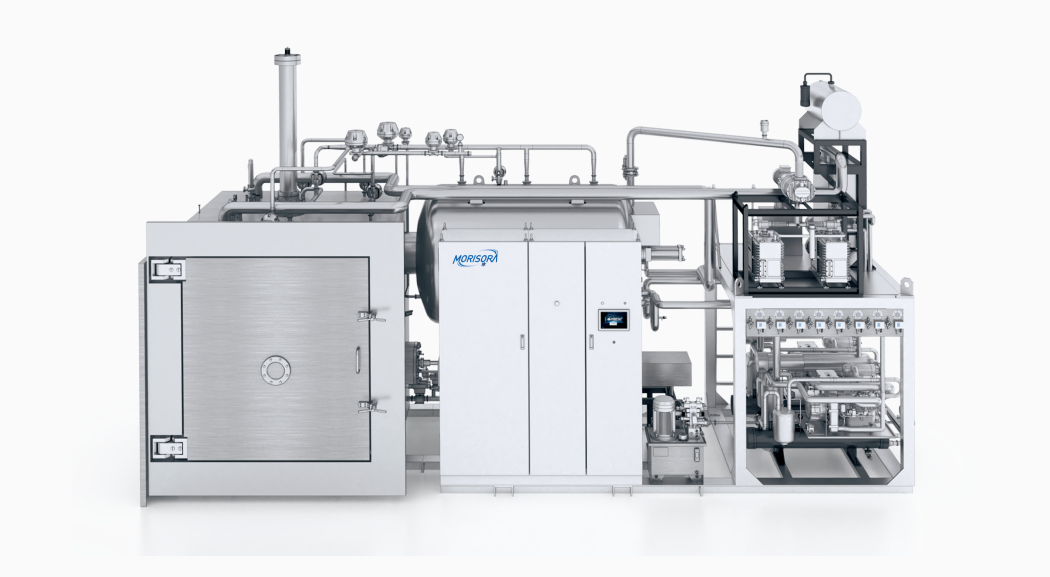
Freeze-drying, also known as lyophilisation, is an advanced dehydration process that preserves the biological activity, structural integrity and overall quality of sensitive materials. By removing moisture under low temperature and vacuum conditions, it ensures long-term stability without compromising product quality. Freeze dryer is the critical equipment designed to facilitate this process.
The freeze dryer is an integrated system that combines multiple advanced technologies, including vacuum, refrigeration, automation, and sterile techniques. It is designed to preserve the integrity and quality of heat-sensitive materials through a sophisticated dehydration process.
Freeze dryers can be categorized into several types based on applications:
• Laboratory freeze-drying systems (for R&D and small-scale production)
• Universal freeze-drying systems (for versatile applications)
• Specialized freeze-drying systems (designed for specific products/industries)
Classification
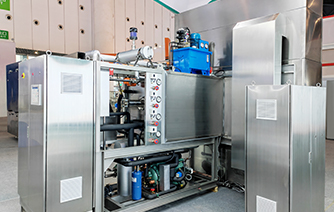
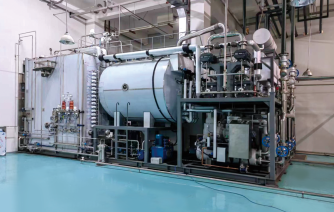
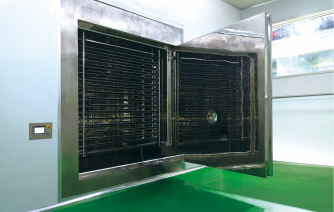
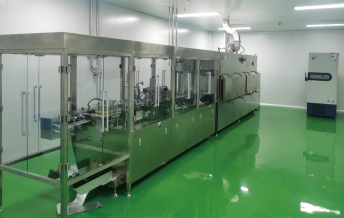
Automatic Loading and Unloading System
Automatic, Isolated, and Continuous Aseptic Transfer System
This system significantly reduces contamination risks during material transfer while enhancing production efficiency and lowering overall operational costs.
Automatic loading and unloading – The Standard for "Lights-Out" Factories
Automatic Loading/Unloading System primarily handles material transfer between:
• Filling machine → Freeze dryer
• Freeze dryer → Capping machine
System Configurations:
• RBR-Fixed Loading and Unloading System
• AGV-Flexible Loading and Unloading System
• MLUS-Mixed Loading and Unloading System (RBR for loading + AGV for unloading, or dual AGV configuration)
Classification